About me
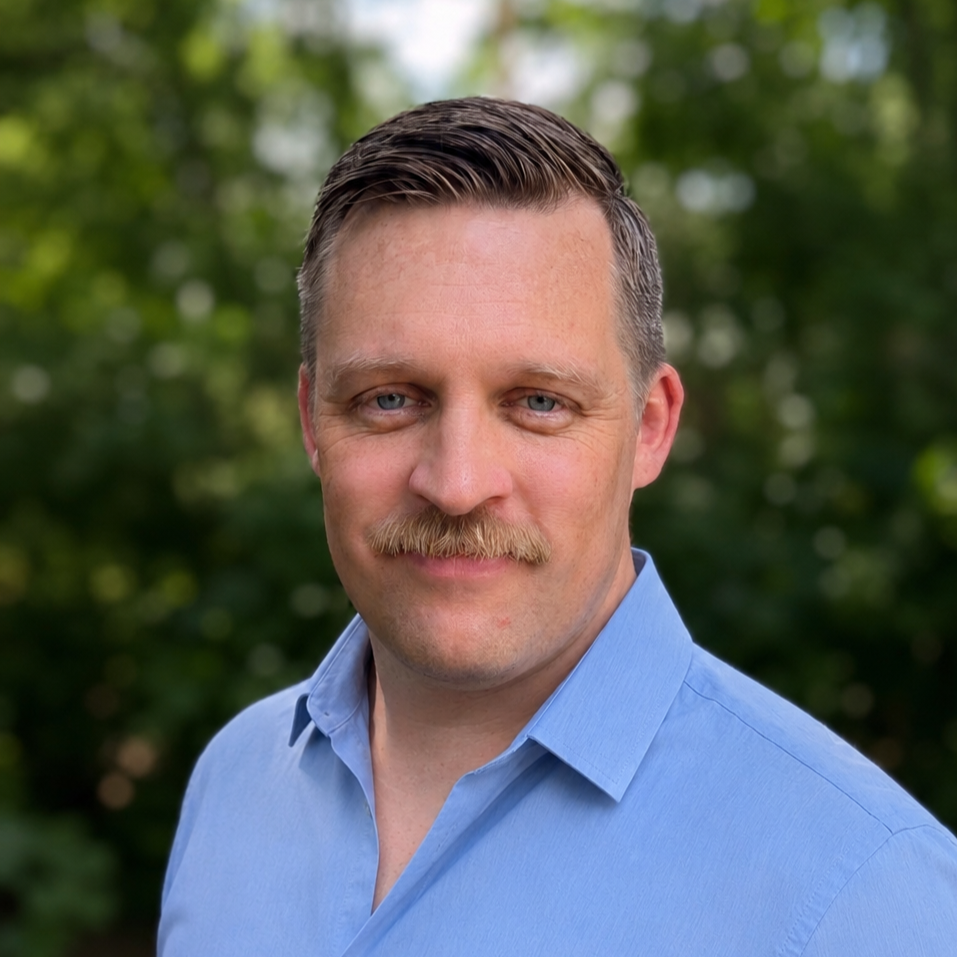
Hi, I’m Jonathan. I’m glad you’re here. Whatever has brought you to this page, reaching out for support is often the first real movement toward healing and growth, and that first step is usually the hardest.
Many of the people who come to work with me are used to carrying a lot on their own. From the outside they may appear capable, thoughtful, and responsible, but internally they can feel stuck in patterns of anxiety, overthinking, or quiet frustration with how life is unfolding. Many of my clients are men who have spent years pushing through stress or uncertainty without a place to slow down and sort through what’s really going on.
I believe change happens when we explore our lives with curiosity, flexibility, and a willingness to try something new. I begin by exploring your unique story and then gradually move toward collaborating on new ways to shape your life. My approach is grounded in respect and without judgment, because therapy is most powerful when we can be completely honest about your experience.
Our lives often seem to write themselves in ways we wouldn't have chosen. When we explore this together, therapy becomes the work of writing the next chapter of your life with greater clarity and intention — not simply surviving, but building something that is healthy, meaningful, and sustainable.
In my free time, I enjoy reading, drawing, painting, sculpting, and spending time with close friends, my family, and my dog Juno. I also love reading and writing fiction.
In addition to being a counselor, I hold a Master of Divinity degree and serve in a pastoral role at my church. I approach therapy as a clinical counselor first and never impose my own spiritual views. Conversations about faith, spirituality, meaning, or purpose are always guided by the client — welcome if they matter to you, and never assumed if they don’t.
My Approach
I pay close attention to what feels most meaningful to discuss in session. In my experience, what you bring to session often points toward the deeper patterns shaping your current struggles. I encourage curiosity about those patterns and follow them with intention, looking for how different parts of your experience connect.
Lasting change rarely comes from one breakthrough moment. More often, it develops through small but meaningful shifts in both awareness and action that accumulate over time. As insight grows, we work to translate that understanding into practical changes in how you think, respond, and take action in your daily life.
My work is particularly well suited for people who tend to think deeply about their experiences but still find themselves feeling stuck in familiar emotional patterns. Therapy becomes a space where we can slow down enough to notice those patterns clearly and experiment with new ways of responding.
I draw from a range of research-supported approaches, tailored to what each person needs. At the foundation of my work is a psychodynamic perspective, which focuses on identifying recurring emotional patterns, understanding how past experiences continue to influence the present, and bringing important but often overlooked dynamics into clearer awareness.
I also integrate tools from cognitive behavioral therapy, narrative therapy, and existential therapy when they meaningfully support the work. From there, our work becomes increasingly experiential and practical—paying attention to what is happening in the moment, identifying your natural strengths, and experimenting with manageable steps between sessions that support real-world change.
Many people come to therapy wondering whether meaningful change is truly possible. In my experience, when someone is willing to look honestly at their patterns and stay open to trying new ways of responding, meaningful movement almost always follows. Therapy is not about becoming a different person, but about gaining the clarity, flexibility, and confidence to live more freely and intentionally within the life you already have.

Who do I work with?
Many of the people I see are used to handling things on their own. They think deeply, feel a lot, and often carry more than others realize. From the outside, they may seem capable and put-together. On the inside, they feel stuck, overwhelmed, anxious, or weighed down by depression.
Many of my clients are men who have spent years pushing through stress or uncertainty without a place to slow down and sort through what’s really going on. Others simply recognize that something in life isn’t working the way it should and want a space to understand themselves more clearly.
I work with teens and adults navigating anxiety, depression, relationship challenges, trauma, and seasons of feeling stuck or overwhelmed. You might be a good fit for my approach if you recognize yourself in some of the experiences below.
Anxiety and Overthinking
Your mind rarely slows down. You may find yourself replaying conversations, second-guessing decisions, or feeling responsible for getting everything “right.” Even when nothing is obviously wrong, it can feel difficult to relax.
For some people this also shows up as social anxiety, where interactions feel high-pressure, draining, or easy to over-analyze.
Depression and Low Motivation
Depression can make life feel heavier than it should. You may notice low energy, disrupted sleep, or that things you once enjoyed no longer feel the same.
Motivation becomes harder to find, and even small tasks can take more effort than expected.
Autism Spectrum
Many autistic individuals spend years feeling misunderstood, pressured to fit expectations that don't quite fit them, or exhausted from constantly adapting to the world around them.
Therapy can provide a place to better understand yourself, develop practical skills, navigate relationships, strengthen emotional awareness, and build a life that feels authentic to who you are. Sessions can be adapted to provide more structure, clearer goals, and approaches that respect your unique way of thinking and experiencing the world.
Feeling Stuck in Repeating Patterns
You may notice the same emotional or relationship patterns repeating in your life, even when you understand them logically. Therapy can help uncover the deeper dynamics that keep those patterns in place and begin experimenting with new ways of responding.
Relationship Challenges
Relationships can bring both deep meaning and real confusion. You may want healthier boundaries, clearer communication, or a better understanding of your emotional reactions.
Together we explore what happens in relationships and how you can move toward connection that feels more stable and authentic.
Trauma and Lingering Effects of the Past
Difficult or overwhelming experiences can continue to affect how you feel and relate to others long after they’ve passed.
I work with trauma and PTSD and offer Brainspotting, a focused, body-based therapy that helps the brain process unresolved experiences so they no longer carry the same emotional weight.
Questions about Direction or Purpose
Sometimes people come to therapy not because of a single crisis, but because something feels off. You may feel ready for growth but unsure how to move forward or what direction life should take.
Therapy can become a place to slow down and explore those questions with curiosity and honesty.
A Desire for Insight and Meaningful Change
Many of the people who work well with me are interested in understanding themselves more deeply. They don’t just want coping strategies — they want to explore the patterns shaping their lives and create meaningful, lasting change.
If you see yourself in these descriptions, therapy can be a place to slow down, make sense of what you’re carrying, and begin creating small shifts that lead to lasting growth.
Background & Credentials
I am a Licensed Clinical Mental Health Counselor Associate (LCMHC-A) in North Carolina, practicing under the supervision required by the state licensing board. I hold a master’s degree in clinical mental health counseling and have advanced graduate training in understanding emotional patterns, relationships, and the ways past experiences shape present challenges.
I also hold a Master of Divinity degree and serve in a pastoral role. While my therapy work is grounded in clinical training, conversations about faith or spirituality are always guided by the client. They are welcome when they are important to you and never assumed when they are not.
Let’s chat
Fill out this form to schedule a free 15-minute conversation to see if this is a good fit. If not, I’ll help you find the right person.